
Eursap's SAP Tips: Ten Tips for Optimising Sales & Distribution when moving to SAP S/4HANA
Eursap's SAP Tips: Ten Tips for Optimising Sales & Distribution when moving to SAP S/4HANA.
Sales and Distribution (SD) in SAP S/4HANA should be treated as a strategic optimisation opportunity, not a like-for-like migration from ECC 6. Organisations that focus only on technical conversion often carry forward years of complexity, manual workarounds, and performance issues. The most successful programmes use S/4HANA to simplify SD design, strengthen governance, and improve end-to-end order-to-cash performance.
And it is not always about making best use of S/4HANA simplifications (although that is also important). Sometimes, optimisation is about reviewing what is already there and avoiding the brownfield pitfall of taking all your legacy junk from ECC 6 to S/4HANA.
Let us examine ten tips which will help you when considering transforming your SAP ECC 6 Sales and Distribution approach into a more modern, SAP S/4HANA setting.
1. Simplify SD design before introducing new functionality
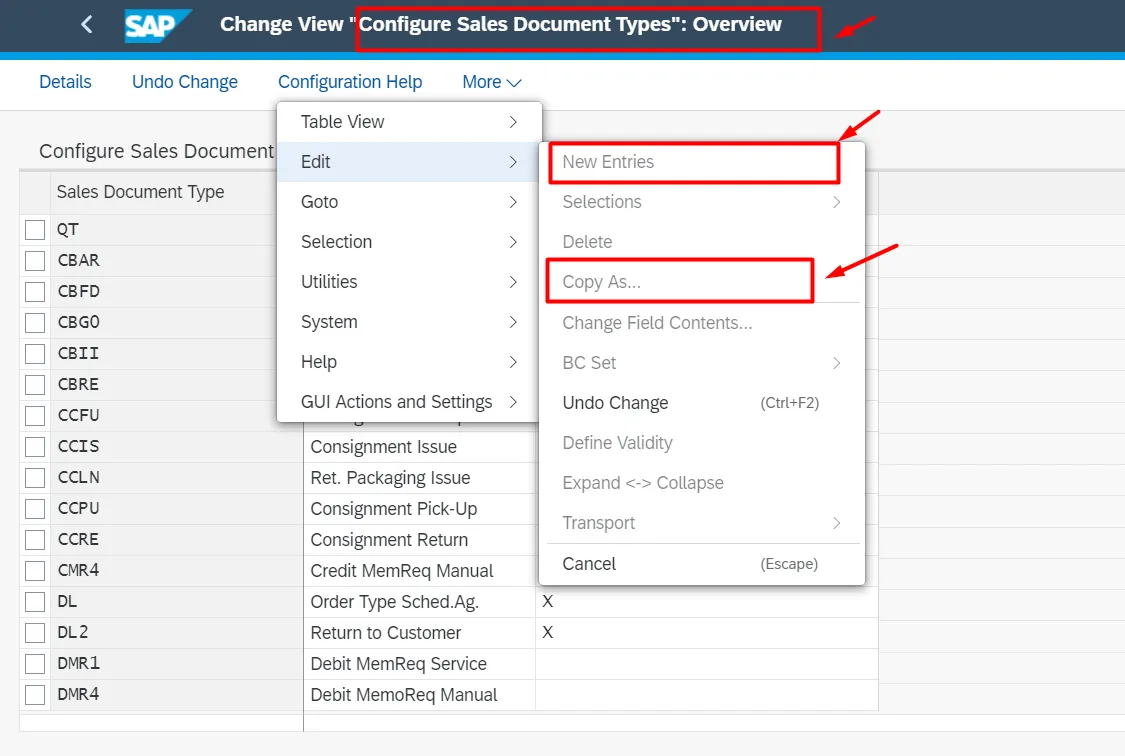
Optimisation starts with removing unnecessary complexity. Many SD landscapes contain redundant sales document types, item categories, pricing conditions, and outputs that no longer support active business processes.
Optimisation example:
It is common to find multiple custom sales order types (e.g. ZOR1, ZOR2, ZOR3) that differ only in pricing or output, and have grown through years of complexity. In S/4HANA, it is worthwhile to assess these to see if they can be consolidated into a single document type using more appropriate condition-based logic.
2. Treat Business Partner design as a core SD decision
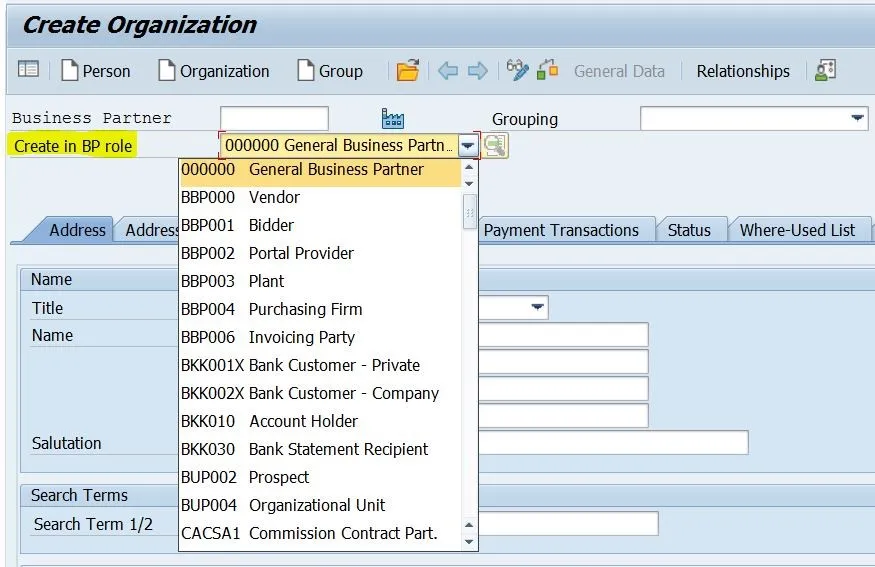
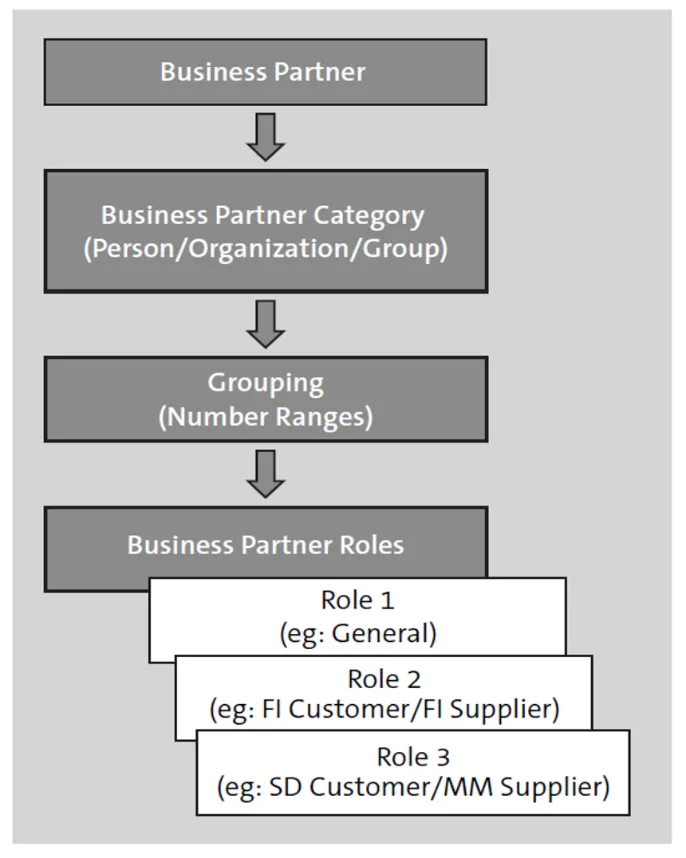
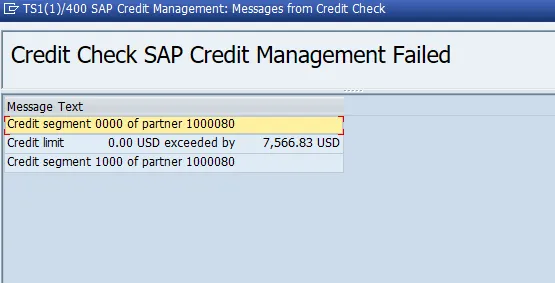
The move to the Business Partner (BP) model is not just a data conversion task. BP design underpins SD, Finance, and Credit Management, and weak governance quickly results in order blocks and billing failures.
Optimisation example:
Sales orders failing due to missing payer data or credit segment assignments are often traced back to poor BP field control.
3. Rationalise pricing for performance and transparency
Pricing is one of the most complex and performance-sensitive parts of SD. Legacy pricing procedures with excessive condition types and access sequences can severely impact order creation performance.
Optimisation example:
Removing obsolete condition types and simplifying access sequences improves sales order creation and amendment response time and margin transparency.
4. Use embedded analytics to expose real bottlenecks
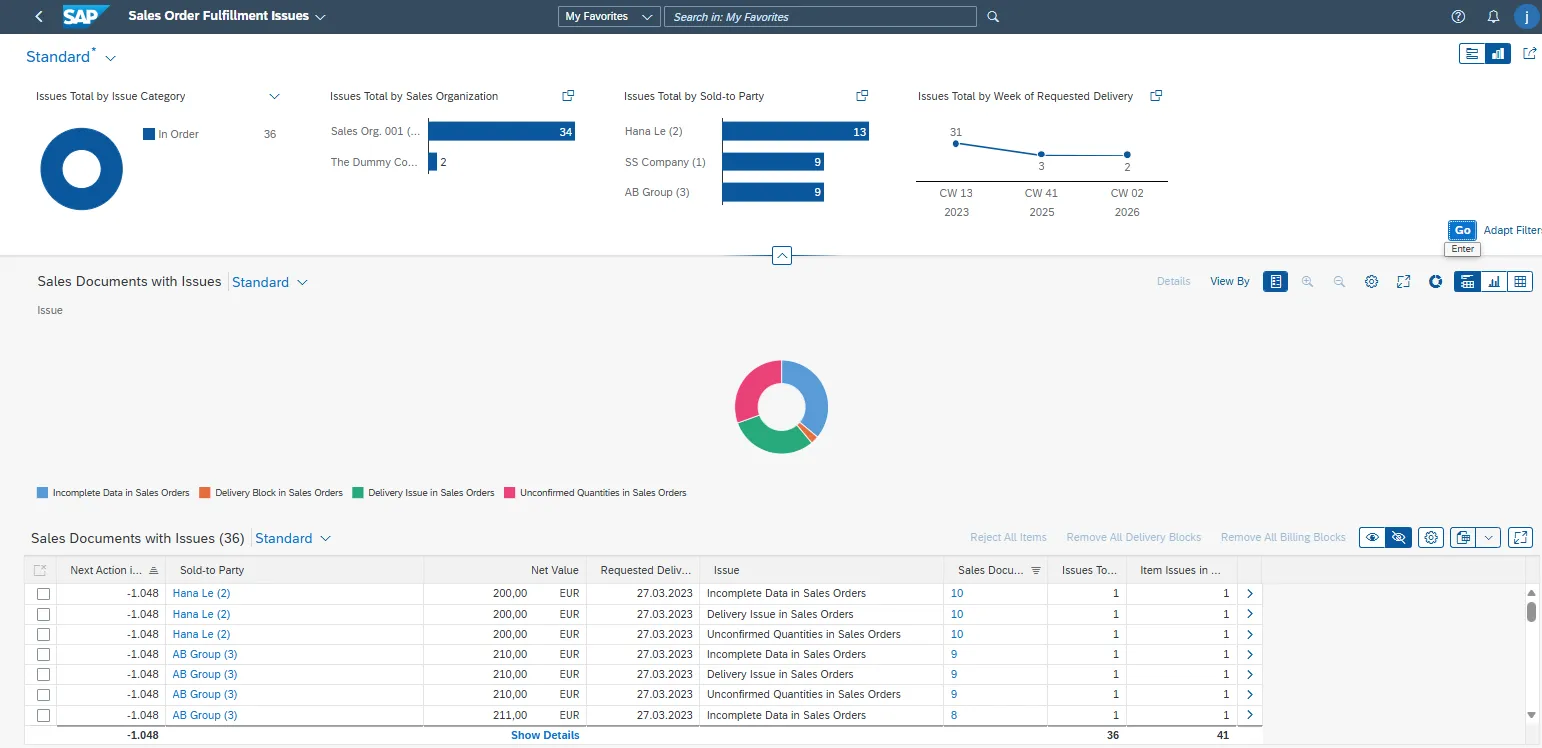
S/4HANA provides real-time insights into the order-to-cash process through embedded analytics. Do not overlook them, as the advantage with SAP S/4HANA is that work can be pushed out to the user rather than relying on the user to pull. Embedded analytics is central to that process.
Optimisation example:
Standard Fiori apps such as Sales Order Fulfilment immediately expose delivery blocks, ATP delays, and billing backlogs.
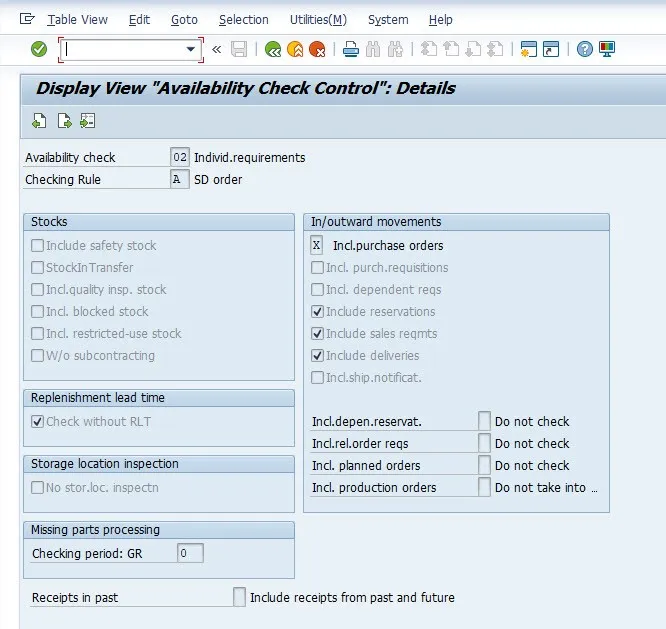
5. Revisit ATP configuration, even without advanced ATP
Many organisations assume ATP optimisation requires advanced ATP (aATP). In practice, standard ATP settings often deliver quick wins.
SAP example:
Reviewing scope of check, checking rules, and delivery scheduling frequently improves confirmation accuracy and reduces manual rescheduling.
6. Align SD closely with Finance from the outset
In S/4HANA, SD and Finance are tightly integrated through the Universal Journal. Misalignment leads to reconciliation issues and delayed period close.
SAP example:
Incorrect billing type or account determination configuration often results in FI posting errors that surface only at month-end.
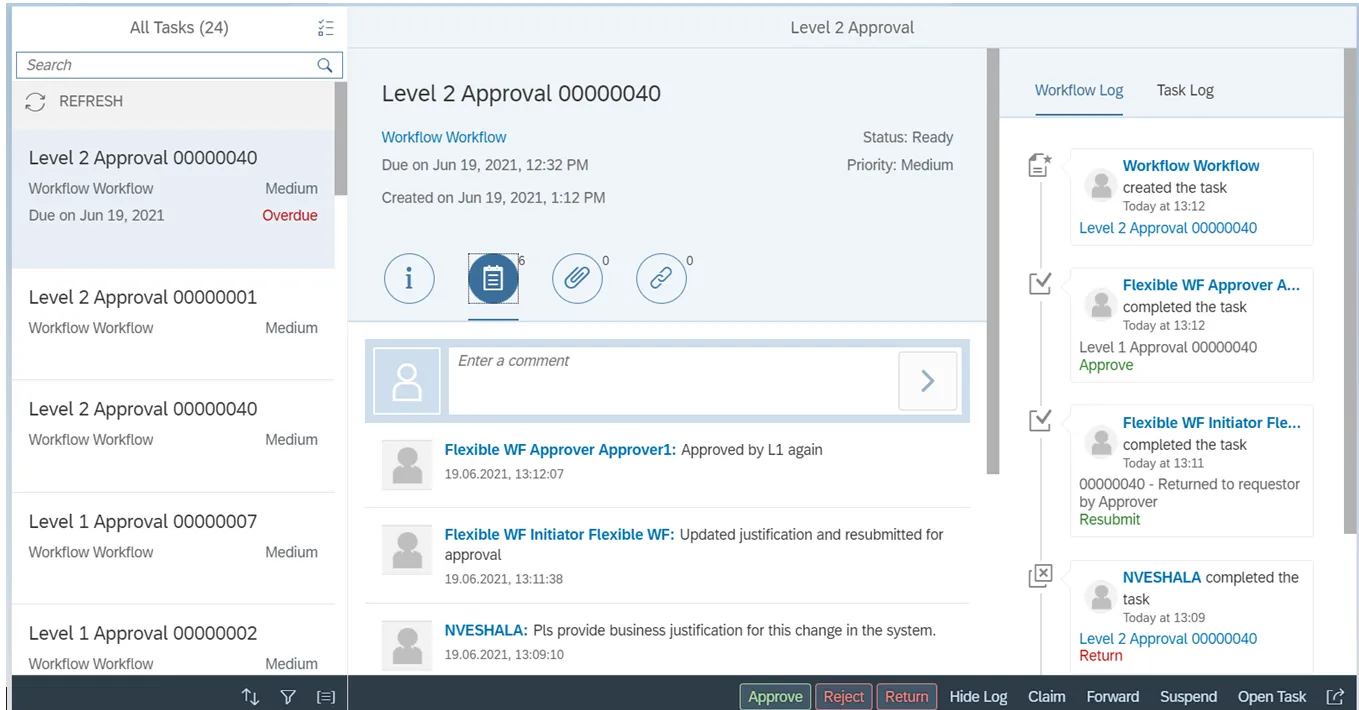
7. Standardise exception handling and block management
Manual handling of order, delivery, and billing blocks is a major efficiency drain.
SAP example:
Standardising block reason codes and enabling workflow-based approvals through Fiori dramatically shortens order cycle times.
8. Reduce manual pricing overrides
Frequent manual price changes usually indicate deeper issues in the pricing configuration or master data quality.
SAP example:
Analysis of pricing overrides in VA02 often reveals missing condition records or poorly designed access sequences.
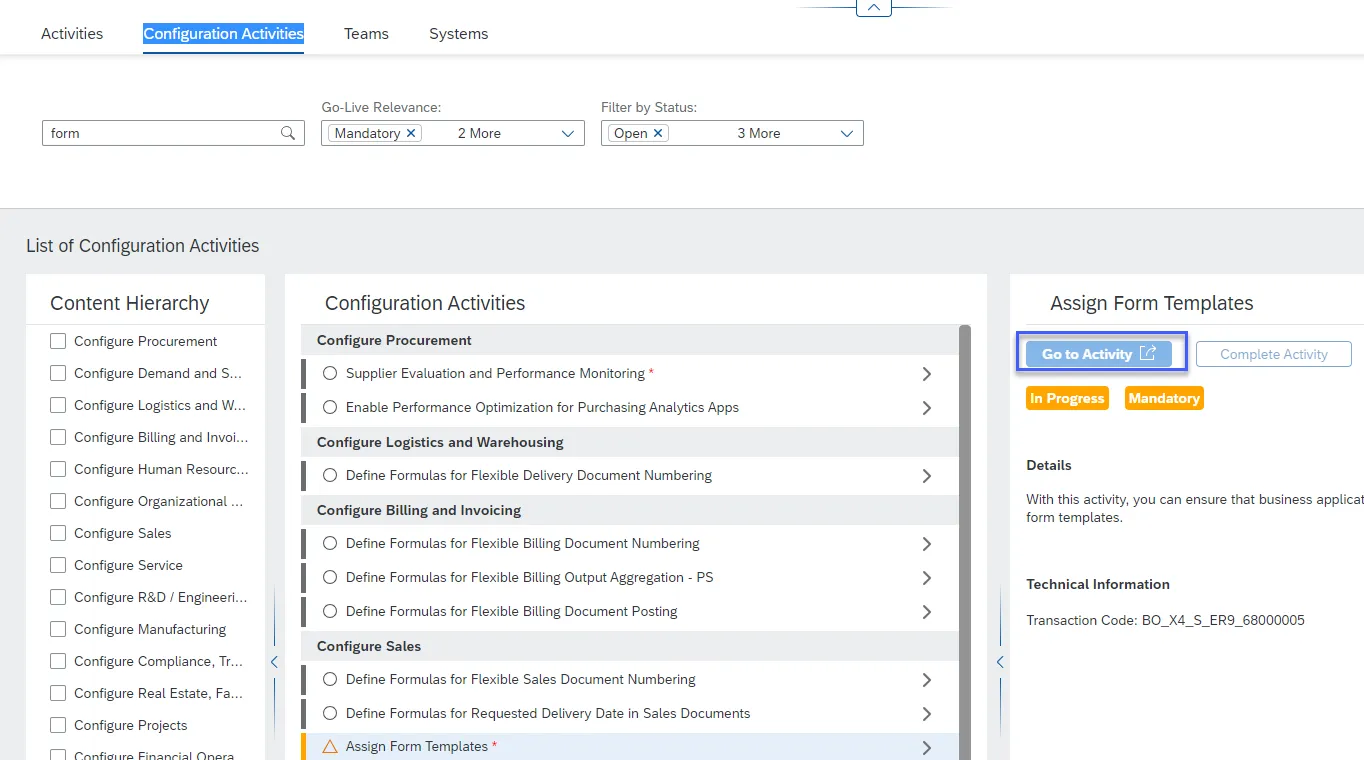
9. Simplify output and form determination
Output determination logic is often unnecessarily complex, with duplicated forms carried forward for years.
SAP example:
Consolidating invoice output types and retiring unused forms simplifies billing and reduces errors.
10. Optimise SD with the end-to-end process in mind
SD optimisation should never be done in isolation. Changes that appear beneficial within SD can introduce downstream issues if logistics or finance impacts are overlooked.
SAP example:
A sales change that improves order entry speed may still delay delivery or billing if ATP, picking, or revenue recognition impacts are ignored.
Final thought
Successful SD optimisation in SAP S/4HANA is driven by disciplined simplification, strong data governance, and intelligent use of standard SAP capabilities. Organisations that follow these ten principles will consistently unlock faster order processing, improved margin visibility, and a more resilient order-to-cash process.
More Blogs


